




A PRISMA flow chart will be produced to describe the flow of selection of studies. Share your experiences with alcohol and blood pressure monitoring in the comments below, and let me know if you have questions about managing your readings effectively. Your doctor needs accurate readings to adjust medication dosages properly, making alcohol avoidance essential for safe treatment.

Unit of analysis issues
High-intensity interval training and strength training are also good for lowering blood pressure. If they tell you this, then they likely took your blood pressure readings at two or three separate office visits. After ruling out other causes, such as caffeine use or stress, they came to this diagnosis.
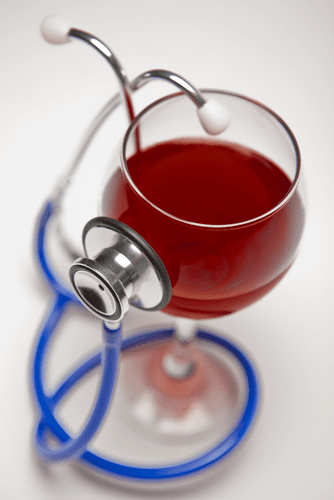
Stress on the Heart and Blood Vessels
Moderate alcohol consumption may slightly reduce the risk of heart disease, but heavy drinking can lead to high blood pressure and increase the risk of heart disease, stroke, and kidney problems 2. Certain individuals may be more susceptible to the effects of alcohol on blood pressure. Those who have a history of high blood pressure, are already taking medication to manage hypertension, or have other underlying health conditions should be particularly cautious. Additionally, people who engage in heavy drinking or binge drinking are at a higher risk of experiencing adverse effects on their blood pressure. Epidemiological data reveal that even low daily alcohol intake—around 12 grams or one standard drink—can cause a rise in systolic blood pressure by about 1.25 mm Hg and diastolic pressure by roughly 1.14 mm Hg. As alcohol consumption increases, these numbers escalate; for example, drinking 48 grams daily may raise systolic pressure by approximately 4.9 mm Hg and diastolic pressure by about 3.1 mm Hg.
A note on binge drinking
Regular excessive drinking has a clear link to ongoing high blood pressure. For safety reasons, you should consult with your primary care doctor to check for any safety concerns about consuming alcohol if you already have high blood pressure. If you hope that moderate drinking is good for you, that idea is falling out of favor. “Women might be more susceptible to the negative effects of alcohol,” Goldberg says, noting how does alcohol affect blood pressure that alcohol breaks down more slowly in women than in men.
Any disagreements regarding inclusion or exclusion of studies were resolved by discussion between review authors. The reason for exclusion was documented for each citation at the full‐text level. We also checked the list of references in the included studies and articles that cited the included studies in Google Scholar to identify relevant articles.
Alcohol can negatively affect your blood pressure, especially if you drink heavily or binge drink. Elevated blood pressure increases your risk of many dangerous diseases and conditions, making it essential to understand the important link between alcohol and high blood pressure. Change in early (1 to 6 hours after consumption), intermediate (6 to 12 hours after consumption) and late (13 hours to 26 hours after consumption) resting seated systolic and diastolic blood pressure. Another possible mechanism may concern the increase in plasma cortisol levels that follows heavy alcohol consumption Substance abuse (Jenkins 1968). Several studies have suggested a role for cortisol in alcohol‐induced hypertension (Potter 1986; Husain,2014).
Eliminating alcohol from your diet can produce dramatic improvements in your blood pressure control within just a few weeks. When you consume alcohol, it initially acts as a vasodilator, which means it relaxes and widens your blood vessels. Your doctor just told you that your blood pressure is too high, and now you are wondering about that glass of wine you enjoy every evening. Untreated alcoholism can wreak havoc on your body, lowering your life expectancy by 24–28 years! While alcoholism can take decades off your life, it also lowers the quality of the life you have left, bringing many negative and mental effects that ultimately decrease your quality of life.
What to Expect while Seeking Medical Advice
- We retrieved full‐text articles for those citations and included 32 studies (Figure 1).
- Elevated cortisol levels due to alcohol’s influence on the hypothalamic-pituitary-adrenal axis further promote vasoconstriction and sodium retention, intensifying the hypertensive effect.
- Besides Hancock Regional Hospital, ranked as one of the nation’s safest by the Lown Hospital Index, our network includes more than 30 other locations near your home or work.
- For the other domains, we grouped outcomes together and provided only one judgement.
- For more than 130 years, Norton Healthcare’s faith heritage has guided its mission to provide quality health care to all those it serves.
The American Heart Association is a relentless force for a world of longer, healthier lives. Through collaboration with numerous organizations, and powered by millions of volunteers, we fund innovative research, advocate for the public’s health and share lifesaving resources. The Dallas-based organization has been a leading source of health information for nearly a century. The Recovery Village Palmer Lake specializes in compassionate, evidence-based care tailored to your needs.
How to Live Well with PCOS Tips for Health & Wellness
After drinking alcohol—especially in moderate to large amounts—your blood pressure can increase for several hours. This temporary spike occurs because alcohol stimulates the nervous system and affects the balance of hormones that help regulate blood vessel tone and kidney function. Second, lack of representation of the female population was notable in the included studies. Only four studies included almost equal numbers of male and female participants (Buckman 2015; Foppa 2002; Maufrais 2017; Zeichner 1985).
Burke 2001 published data only
The I² statistic was used to interpret the level of heterogeneity (Higgins 2011). For the purposes of this review, if I² was greater than 50%, it was considered to show a substantial level of heterogeneity. Furthermore, we visually inspected the forest plot to check whether there were any non‐overlapping confidence intervals indicating heterogeneity. Last, we attempted to explore the reason for heterogeneity by looking for clinical and methodological differences between trials. To understand how much alcohol is too much, it may be helpful to know what excessive drinking means. Discover how increasing alcohol prices decreases alcohol-related deaths and supports healthier choices.
Adopting a healthy lifestyle that includes regular exercise, a balanced diet, and stress management techniques can also support healthy blood pressure levels. In addition to the immediate impact, long-term alcohol consumption can also contribute to the development of high blood pressure (hypertension). Chronic alcohol consumption over time can damage the blood vessels, leading to a condition known as alcoholic hypertension. By understanding what constitutes healthy blood pressure and striving to keep it within the normal range, individuals can take proactive steps to protect their cardiovascular health.
- This is because alcohol causes your blood vessels to constrict, increasing resistance to blood flow and raising blood pressure.
- Having higher levels of catecholamines causes the body to excrete less fluid through urine.
- When thinking about changing your alcohol consumption, if you think your intake may be excessive, it is important to look at patterns of drinking to develop a plan to safely reduce alcohol intake.
Two drinks can raise your systolic pressure by 5-10 mmHg and diastolic pressure by 3-6 mmHg for up to 24 hours. Research indicates that even one standard drink can elevate blood pressure by 2-4 mmHg within 6 hours of consumption. The damage compounds over time, making it harder to achieve normal blood pressure readings even with medication.